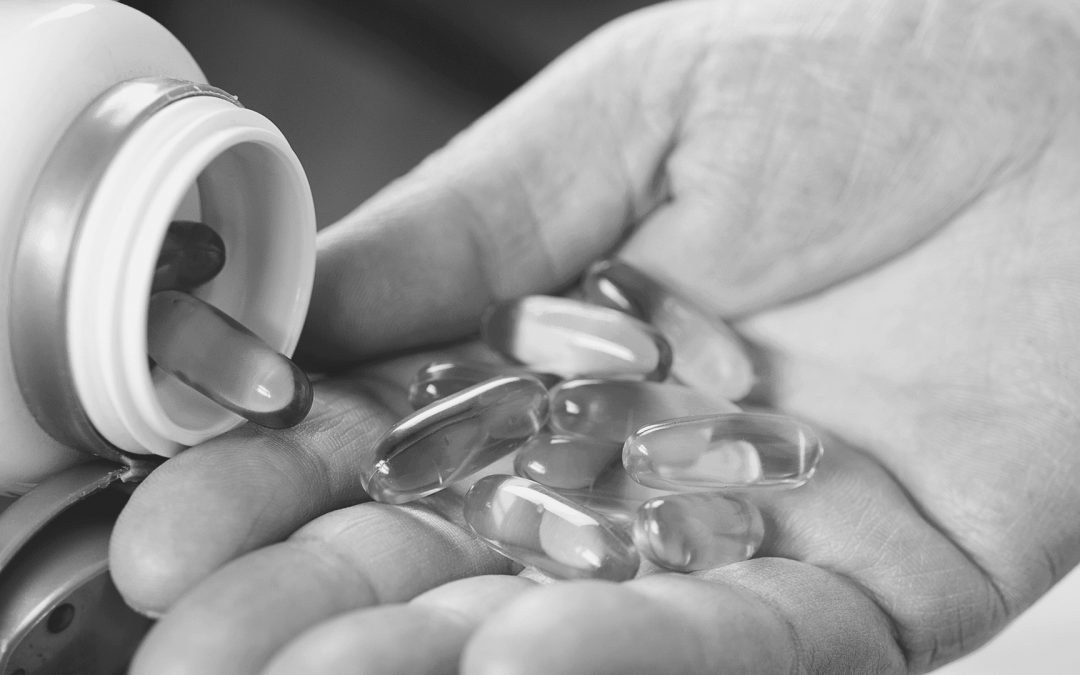
Man admitted to hospital after taking vitamin D at a rate of 375x the recommended level

Man admitted to hospital after taking vitamin D at a rate of 375x the recommended level

A case report demonstrates the dangers of too much vitamin D.

After experiencing nausea, vomiting, abdominal pain, leg cramps and tinnitus as well as weight loss, a middle-aged man was referred by a general physician to the hospital. The patient was taking vitamin supplements including vitamin D 150,000IU. His daily requirements are 10 mcg and 400 IU.

This is a reasonable dosage. The National Institutes of Health recommend that you take no more than 15 micrograms of mcgTrustedSource (micrograms) daily in supplements. This is 600 IU.

“A common misconception regarding vitamin D is that more is better,” JoAnn Elisabeth, professor of medicine at Harvard Medical School and chief, division of preventive medicine at Brigham and Women’s Hospital, said to Medical News Today.

This is incorrect. It’s very important to avoid vitamin deficiency. Mega-dosing can cause harm, she stated.

The study is extreme, but Dr. Clifford J. Rosen (faculty scientist, director of Center for Clinical & Translational Research at Maine Medical Center Research Institute), told MNT that excessive vitamin intake can lead to serious health problems.

The symptoms persisted even after the man stopped taking the supplements. This suggests that he may have suffered permanent damage.

Extreme supplementation

Before he was referred by his doctor, the man had been on more than 20 prescriptions over-the-counter for three months.

His daily diet included vitamin K2 100mg (daily requirements 100-300mg); vitamin C, vitamin F9 (folate), 1000mg (daily need 400 mg); vitamin A, vitamin B2 (riboflavin); vitamin B6 (vitamin B6), vitamin B2 (riboflavin); vitamin B2 (riboflavin); vitamin B3 (vitamin B6), vitamin B2 (riboflavin); vitamin B2 (riboflavin); vitamin B6 (dacetate), vitamin D), vitamin A nutritional therapist had prescribed the regimen to him.

A blood test showed that the patient had levels of serum vitaminD of more than 400nmol/L. This means that he had 8 times what the recommended daily intake of vitamin D.

He also had a history of medical problems, including “bovine spine tuberculosisTrustedSource, left vestibular SchwannomaTrustedSource with hearing loss,” hydrocephalusTrustedSource treated with a Ventricular Peritoneal ShuntTrustedSource, bacterial meningitisTrustedSource, and chronic rhinosinusitis.”

Kristin Kirkpatrick (Nutritionist) was not part of the report. She did not consult with the subject. Kristin recommends a more balanced approach to vitamin D supplementation.

MNT was told by MNT that she recommended to all her patients to first determine their vitamin D levels before starting supplementation.

Are vitamin D supplements necessary?

Although vitamin D is not a well-known topic, it is widely accepted that it is essential for optimal health.

Vitamin D is produced by the sun. The amount of vitamin D produced by a person’s skin depends on their local climate and the degree to which they have been exposed to sunlight. The same goes for skin pigmentation.

Vitamin D is essential for bone health, calcium absorption, and support of the parathyroid glands.

Dr. Manson stated, “We just published another meta-analysis showing that vitamin D supplementation in moderate daily doses decreases advanced cancer and death.”

“Moderate intake of vitamin D (2000 IU daily) has been shown to reduce the risk of developing autoimmune diseases in VITAL [a Dr. Manson-led study].

Dr. Manson explained that high-dose bolus vitamin D dosing does not provide these benefits, and has also been shown to increase the risk of falls and fractures.

Is Vitamin D “insufficiency”?

Some have suggested that COVID-19 could be linked to vitamin D deficiency. Dr. Manson said, “We’ll soon see the results of VIVID. This is vitamin D testing for preventing severe COVID illness, and long COVID. But the jury is still out.”

Kirkpatrick shared with her patients that she discussed the relationship of low levels D with mood/mental health.

She said that studies have shown vitamin D deficiencies can be linked to depression.

She also believes that vitamin D can be helpful in reducing inflammation

“Inflammation is at the root of any chronic disease. Studies have shown that low levels of vitamin D can lead to worsening inflammation.Trusted Source

Kirkpatrick stated that most of his patients need a supplement to boost their D levels. The body is more able to absorb the vitamin D from the sun than it is from food.

Dr. Rosen, who calls vitamin D “a religion”, is not convinced that vitamin D’s popular concern is justified.

MNT was told that 97.5% of people have sufficient vitamin D. Supplementation is not necessary unless there’s a medical reason due to malabsorption or lack of sunlight.

He asserts that there is no vitamin D insufficiency. However, severe vitamin D deficiency (nanograms/milliliter) is the only category that counts. The recommended vitamin D level is between 20-40 ng/mL.


Mayo Clinic Study Reveals Dietary Trick To Prevent Kidney Stones

Mayo Clinic Study Reveals Dietary Trick To Prevent Kidney Stones

Researchers at Mayo Clinic found that a diet rich in potassium and calcium can prevent the development of symptomatic or recurrent kidney stones.

Potassium and calcium rich diets may help prevent recurrent symptomsatic kidney stones.

Kidney stones can cause severe pain and are also associated with osteoporosis, chronic kidney disease, and cardiovascular disease. A 30% chance of developing another kidney stone in the next five years is present if you have already had one.

Doctors will often recommend changes to your diet in order to prevent the formation of recurrent kidney stones. There is not much research on diet changes for people who have had one kidney stone or recurring cases.

Researchers at Mayo Clinic designed a prospective study to examine the effects of diet changes. Their results showed that a diet rich in potassium and calcium may help prevent the development of symptomatic or recurrent kidney stones.

The study involved 411 patients with first-time symptomatic renal stones. A control group of 384 participants was also included. The questionnaire that was administered to all participants between 2009 and 2018 revealed the diet factors. These findings will be published in Mayo Clinic Proceedings on August 1.

The median time for recurrence of stones in patients with first-time formation was 4.1 years. Further analysis showed that recurrence was predicted by lower levels of dietary potassium and calcium.

Andrew Rule, M.D., Mayo Clinic nephrologist, and senior author of this study, says that these dietary findings could be particularly important because they are based primarily upon dietary factors associated first-time, rather than recurrent, stone formation. While patients may not want to change their diet in order to prevent the occurrence of kidney stones, they will be more inclined to do so if it is possible to prevent recurrence.

The study found that fluid intakes below 3,400ml per day (or nine 12-ounce glasses) are associated with the formation of first-time stones. Fluid intake daily includes intake from fruits and vegetables.

A low intake of fluids and caffeine can lead to decreased urine volume and an increase in urine concentration. This can contribute to the formation of stones. Phytate, an antioxidant compound found in whole grains and nuts, can increase calcium absorption and urinary excretion.

Dr. Rule says that changing your diet to prevent kidney stone recurrence can be difficult. Knowing the most important dietary factors for kidney stone prevention can help patients and their providers prioritize.

Api Chewcharat M.D. was the first author of the article and was a postdoctoral fellow at Mayo Clinic. However, high fluid intake is important. Patients with a history or kidney stone formation did not benefit from increasing fluid intake.

According to the study, a daily intake of 1,200 mgs of calcium can help prevent kidney stones from recurring and first-time. This daily recommendation is consistent with the Department of Agriculture’s recommended nutrition.

Higher potassium intake is also recommended. However, the USDA doesn’t recommend a daily intake of potassium. A recommended intake level was not established by the study.

Dr. Chewcharat states that patients should eat more vegetables and fruits that are rich in potassium and calcium. Bananas, grapefruits and cantaloupes are all high in potassium. Vegetables include tomatoes, potatoes, peas, cucumbers, and zucchini.

Are you stuck in a rut when it comes to your nutrition goals?

Are you stuck in a rut when it comes to your nutrition goals?

The best place to begin is with a solid understanding of the basics of nutrition. ChooseMyPlate.org has everything you need. A solid foundation in nutrition will help you to live a healthier life and increase your knowledge. I was a novice nutrition educator when I started my career. Look at me now! You can do it, too.

MyPlate has some great tips to help you get started.

You can start with small changes. You don’t need to make drastic changes in your diet. Instead, you can make small changes to the way you eat and drink. This will help you both now and in future. Start by eating vegetables at every meal and by drinking eight glasses of water daily.

Take it one day at a. Even with the best intentions, sometimes things don’t always go according to plan. Don’t lose heart if you fail to reach a milestone or a day. To keep you motivated, celebrate small victories and recognize them. Recognize your weaknesses and take one small step towards overcoming them.

Get active! Pick activities you enjoy! You will be more likely stay committed if you are focused on having fun and learning new skills. There is no one-size fits all approach to exercise. For ideas on how to live an active lifestyle, click here

Partner up. Get together with a friend who has similar goals. Support and encouragement can make it easier to stay on track. Ask your family to support you and share your goals.

Recognize your successes. As you develop positive habits and find new ways to achieve your goals, consider each step a win.

You deserve it. You deserve to be rewarded with something that will help you achieve your goals. You can reward yourself with a new kitchen gadget, new workout clothes or shoes to increase confidence, or even a night out for a delicious dessert.

Whatever stage you’re at in your journey to a healthy lifestyle, the basics are what will help you keep moving forward. Maybe one of your new goals is to include fish in the diet. Tilapia can be a very affordable fish. You can make a tasty tilapia salad by mixing it with some greens. If you don’t like fish, you can substitute chicken or tilapia with tuna.

Space Force will no longer conduct an annual fitness test. Instead, they will use wearable trackers.

Space Force will no longer conduct an annual fitness test. Instead, they will use wearable trackers.

An integral part of military life is the annual physical fitness test. Every service takes its own assessment of the Department of Defense’s once-a-year evaluation.

However, the new military branch of the country is abandoning this model.

Guardians of the Space Force won’t be required to take an annual test. Instead, they will be given smart rings or other fitness devices that track their activity throughout the year. They will also be programmed with feedback to help them manage their mental health and get better sleep.

The U.S. Space Force leadership claims that the approach will not only focus on one annual physical, but also prioritize general wellness for service members. Some military personnel have developed eating disorders and other unhealthy behavior as a result of the annual physical exams.

Patricia Mulcahy (Space Force deputy chief of operations for personnel), wrote in a memo that “this program will not only promote physical fitness; it’ll pair fitness with robust education about diet, sleep hygiene, and other physiological factors to promote socio, mental, and spiritual health.”

Although the change is in process, it won’t be complete until 2023. Guardians will still need to pass one more Air Force fitness exam — a 1.5-mile run, one minute of pushups and one minute of situps.

Chief Master Sergeant. James Seballes is the senior enlisted leader of the Force’s Space Training and Readiness Command.

“We still use the Air Force PT standards. He said that the difference lies in how we approach it.

Space Force has been testing Garmin watches, Oura rings and other devices for its program. It plans to create a digital community that allows Guardians to view data from their fitness trackers and share it with their peers.

FitRankings, a company based in Austin, is creating the online platform that will allow Guardians credit for activities they do regularly, instead of being assessed on exercises during the annual test.

Patrick Hitchins, CEO of FitRankings, said that “Maybe your not good at running or maybe your not good at pulling ups.” These tests have a certain amount of dimensionality that favors one form of activity over another.

Hitchins stated that this was the main frustration Hitchins heard about military personnel regarding fitness tests. FitRankings aims to eliminate it by converting all physical activity into a minute of energy expenditure.

Hitchins stated that guardians could engage in any type of activity. We could turn it into this metric, and then create a community-building challenge around that data.”

According to Maj. Gen. Shawn Bratton of Space Training and Readiness Command who has been using fitness tracking rings to test their accuracy, some in the Space Force believe Guardians will use the data to have more control over their overall health.

Bratton stated, “There is increased responsibility on my part, not only once a year to pass a fitness test but also to exercise for 90 minutes per week.” The ring helps me track my fitness and sleep patterns.

Bratton stated that leaders desire to stress health and not just physical activity, so Guardians can be ready to perform the tasks required by their duty.

Seballes stated that fitness can be seen as a “go, no-go” thing. I know people who can do all the PT and run a mile and a quarter, but their eating habits and sleeping habits are terrible. They are not healthy.”

Some military personnel have made dangerous decisions due to the traditional method of fitness testing. Research has shown that some military personnel engage in eating disorders months before they undergo fitness assessments. Studies have shown that military personnel are at greater risk for eating disorders than their civilian counterparts.

Lindsay Bodell, an assistant psychologist at Western University in Ontario, said that a greater focus on fitness or weight may lead to increased body dissatisfaction. “People might be more conscious of their bodies and performance at this time.”

Bodell, who focuses her research on eating disorders and the causes thereof, stressed that more research is needed before she and other researchers can conclusively link the two. She said that passing an annual fitness exam can lead to advancement in your career and other military opportunities.

She said that people may be tempted to do extreme things to meet the standards if they don’t meet them.

Bodell said that fitness monitors will not solve the problem. Each military service must still measure their body composition using body fat calculations, waist to height ratios, and other methods.

Bodell stated that if the focus is on weight regulation or specific weight standards, it could still have similar consequences. He also noted that there has been a lot of research linking fitness tracker use to eating disorders symptoms.

She said that these types of continuous monitoring and tracking fitness could lead to pressures to conform to unrealistic goals.

Elizabeth Eikey’s research touches upon this topic. She is an assistant professor at University of California, San Diego’s Herbert Wertheim school of Public Health. Her research focuses on how technology like apps and fitness trackers affect mental health and well being.

Eikey stated that for a long time, the idea was to engage more with these tools — the more consistent and longer you use them, the better your health will be.” But we are finding that this is not always true.”

Eikey stated that having more data about your fitness or health can make it harder to self-reflect and lead to healthier lifestyles. This is especially true for those with higher-stakes goals.

However, she isn’t against the Space Force’s reevaluating its fitness measurement system.

Eikey stated, “Questioning what standards are around fitness is very important.” It’s admirable. These technologies are they really the best way to go?

Consuming alcohol poses significant health risks and has no benefits for young adults

Consuming alcohol poses significant health risks and has no benefits for young adults

A new study has shown that younger people (under 40) are more likely to be exposed to alcohol than older adults.

  • Global Burden of Disease’s latest analysis suggests that 1.34 Billion people consumed alcohol in harmful quantities (0.312 billion for males, and 1.03 billion for females) between 2000 and 2020.
  • According to the analysis, young adults between 15 and 39 years old do not have any health benefits from drinking alcohol. In 2020, 59.1% of those who drank unsafe amounts of alcohol were between 15 and 39 years old. 76.7% were men.
  • The authors point out that alcohol consumption can have a complex effect on diseases and background rates.
  • For adults over 40, the health risks of alcohol consumption are different depending on their age and where they live. For people over 40, consuming a low amount of alcohol (for instance, one to two 3.4-ounce red wine glasses) can have some health benefits such as reducing the chance of stroke and cardiovascular disease.
  • Researchers demand that alcohol consumption guidelines be updated to place emphasis on consumption levels based on age. Many existing guidelines recommend a high level of alcohol consumption for young people. They call for policies that target males younger than 40 who are more likely to misuse alcohol.

A new analysis in The Lancet shows that young people are more likely to have their health impacted by alcohol than older adults. The first study to assess alcohol risk by age, gender, year, and geographical location is this research. The study recommends that global alcohol consumption guidelines should be based on location and age. It also recommends that strict guidelines be directed at males aged 15 to 39, who are most at risk for harmful alcohol consumption around the world.

Light alcohol consumption, which is between one and two standard drinks per person, may have some health benefits for adults over 40 who do not have any underlying conditions.

Researchers calculated that 1.34 Billion people consumed unsafe amounts of alcohol in 2020 based on estimates from 204 countries. The largest group of people who drank unsafe levels of alcohol in any region was males between the ages of 15 and 39. Drinking alcohol is not good for your health and poses many risks. This age group is also responsible for 60% of alcohol-related injuries, such as motor vehicle accidents, suicides, homicides, and other types.

“Our message is simple. Young people shouldn’t drink. However, older people might benefit from small amounts of alcohol. Although it is unlikely that young adults will stop drinking, it is important to share the most recent evidence with everyone so they can make informed health decisions,” Dr. Emmanuela Gakidou (Senior author), Professor of Health Metrics Sciences at IHME at the University of Washington’s School of Medicine.

While alcohol consumption poses significant health risks to young people, it may be beneficial to some older adults who consume small amounts. A new analysis shows that alcohol intake should be determined by age and local disease rates.

Alcohol consumption policies should be influenced by age and location

Researchers looked at alcohol consumption’s impact on 22 health outcomes including cardiovascular disease, injuries, and cancers. They used 2020 Global Burden of Disease data from males and women aged 15-95 years or older in 204 countries and territories. The researchers were able estimate the daily alcohol intake that reduces the risk to the population. Another important quantity was also estimated by the study: how much alcohol an individual can consume before they are at risk of putting their health at risk.

For people between 15 and 39 years, the recommended alcohol intake is 0.136 standard drinks per person per day (just over one-tenth of a normal drink). The recommended daily alcohol intake for women aged 15 to 39 years was 0.136 standard drinks per day (roughly one-tenth of a standard beverage). A standard drink is 10 grams of pure alcohol. This is equal to a small glass red wine (10ml) or 3.4 fluidozs at 13% alcohol per volume. It also includes a can of beer (325 ml) or 12 fluidozs at 3.5% alcohol per volume. Or a shot whiskey (30 ml) or 1.0 fluidozs at 40% alcohol per volume.

For adults over 40 years of age, without any other health issues, a small amount may be beneficial, including reducing the risk for ischemic heart disease, stroke and diabetes. For individuals aged 40-64 in 2020, the safe drinking levels of alcohol were approximately half of a standard drink (0.527 standard drinks per person for males, and 0.562 standard beverages per person for females), to nearly two standard drinks (1.69 standard drink per day for men and 1.82 standard drinks for women). Consuming three or more standard drinks per day for individuals aged 65+ in 2020 was enough to cause health problems. It is possible to have a small amount of alcohol in people over 40 with no underlying conditions. This could be especially true for populations who are more likely to suffer from cardiovascular disease.

There were significant differences in the disease burden of different age groups, which led to variations in alcohol consumption risks, especially for those aged 40 and over. In the Middle East and north Africa, for example, 30% of alcohol-related risks to health were caused by cardiovascular disease. 12.6% were cancers and less than 1% were from tuberculosis. In contrast, central sub-Saharan Africa’s same age group had 20% of its alcohol-related health risk due to cardiovascular disease, 9.8% were cancers and 10.1% was due to tuberculosis. This means that this age group consumed 0.876 drinks (or nearly one standard drink per daily) in North Africa and the Middle East, and 0.596 drinks in central sub-Saharan Africa (about half of a standard drink per night).

The recommended alcohol intake for adults was 0-1.87 standard drinks per person, regardless of age, geography, or year.

“Even though a conservative approach is taken, and the lowest level for safe drinking is used to make policy recommendations, this means that the recommended alcohol intake is too high for younger people. Based on the current evidence, our estimates support guidelines that vary by region and age. Researcher at IHME Dana Bryazka is the lead author. She says that understanding the variance in alcohol consumption can help in setting effective drinking guidelines, supporting alcohol control policies and monitoring progress in reducing harmful liquor use.

The greatest danger of drinking alcohol is in young men

These estimates were used to calculate the percentage of people who consume alcohol in excess of these thresholds by year, location, sex and age. This can be used as a guideline for alcohol control efforts.

In 2020, 59.1% of those who drank harmful amounts of alcohol were between 15 and 39 years old. 76.7% of the individuals were males, with 1.03 Billion males and 0.31 billion females consuming dangerous amounts of alcohol. Young males from Australasia, central Europe and western Europe were particularly at risk of drinking excessive amounts of alcohol.

“While alcohol consumption has similar risks for males and women, young men exhibited the highest levels of harmful alcohol intake. Dr. Gakidou explains that a higher percentage of males than females drink alcohol, and their average level is significantly higher.

These limitations were acknowledged by the authors, which include that drinking patterns weren’t examined. This study didn’t distinguish between people who drink a lot of alcohol in a short period of time and those who consume the same amount over several days. Also, alcohol consumption was self-reported which could have led to bias. The study also could not include data about consumption during the COVID-19 Pandemic because of pandemic-related delays in routine data collection. This could also have affected these estimates.

Robyn Burton of King’s College London and Nick Sheron from King’s College London, who were not part of the study, wrote in a Comment: “These findings seem to contradict a previous GBD estimate published by The Lancet. This stated that alcohol consumption, regardless of its amount, causes health loss in all populations. The GBD publications have three major differences. The most recent study uses data instead of 2016, and the data is from 2020. Second, the relative risks curves for five outcomes related to alcohol have been updated. These changes are not responsible for the differences in results. The differences in results are not due to the new method of weighting relative risks curves according to levels and underlying diseases, along with the calculation of more disaggregated estimates based on sex, gender, and geographic region. There are many causes of all-cause death, which can vary between groups. This changes the impact of alcohol on mortality. Injuries accounted for the majority of alcohol-related harm in younger age group across most geographic regions. The minimum risk level for individuals between 15 and 39 years was zero or very close to zero in all geographic regions. Due to an increase in the prevalence of alcohol-related diseases such as cancer and cardiovascular disease, this level is lower than that for older adults. This shows the importance of considering the existing disease rates in a population to calculate the harm alcohol can cause.


Skip to content